

Table of Contents
- Why Botanical Ingredients Work for Deep Skin Hydration
- Natural Ingredients for Skin Hydration: Humectants, Emollients, and Occlusives
- Natural Skincare Ingredients for Dry Skin: Plant Oils That Condition and Restore
- Aloe Vera for Skin Hydration: Lightweight, Soothing, and Barrier-Friendly
- Calming Botanicals That Support Barrier Repair
- How to Build a Hydrating Skincare Routine with Botanical Ingredients
- Allergy, Irritation, and Patch-Testing Guidance
- Conclusion
- Frequently Asked Questions
Last Updated: October 21, 2026
Why Botanical Ingredients Work for Deep Skin Hydration
Botanical ingredients for deep skin hydration work because plant-derived compounds mirror the skin's own moisture-binding chemistry: they attract water, slow its escape, and reinforce the lipid barrier.
The catch most guides skip: "botanical" is a sourcing claim, not a performance claim.
That framing changes how you shop. Below, we break botanical ingredients into three functional families, match them to skin types, and show you exactly how to layer them.
Natural Ingredients for Skin Hydration: Humectants, Emollients, and Occlusives
Natural ingredients for skin hydration fall into three mechanical categories, and confusing them is the most common reason a hydrating routine underperforms. Each solves a different problem, and most healthy routines need all three.
Humectants: Pulling Water Into the Skin
Humectants are water-attracting ingredients that draw moisture into the upper layers of skin. Aloe vera, glycerin, and honey are the classic botanical examples. They work fast and feel light, ideal for dehydrated skin that looks tight and dull rather than flaky.
The limitation: humectants pull water from wherever is wettest. In dry air, that can mean pulling from deeper skin rather than the environment. Always seal them in.
Emollients and Occlusives: Sealing Moisture In
Emollients soften and smooth by filling the gaps between skin cells, while occlusives form a physical film that slows water loss. Plant oils and butters do both jobs to varying degrees.
Here's the practical split most routines get wrong: humectant first on damp skin, emollient and occlusive on top. Reverse that order and you've built a waterproof lid over a dry pot.
Natural Skincare Ingredients for Dry Skin: Plant Oils That Condition and Restore
Natural skincare ingredients for dry skin earn their place through fatty acid content, not marketing. Plant oils are triglycerides, and the mix of their fatty acids (linoleic, oleic, palmitic, stearic) determines whether an oil feels light or heavy, absorbs quickly or sits on the surface, and supports the barrier or merely coats it. That lens actually predicts performance.
Reading an Oil by Its Fatty Acid Profile
- High-linoleic oils (sunflower seed, safflower, grapeseed, rosehip) are lightweight, absorb quickly, and are often recommended for oily, acne-prone, or barrier-compromised skin. Linoleic acid is a component of ceramide 1, a key barrier lipid, and skin low in linoleic acid is a common pattern in acne-prone and dry skin alike.
- High-oleic oils (olive, avocado, sweet almond, marula) are richer and more occlusive. They suit body skin and very dry patches but can feel heavy on the face.
- Saturated, solid-at-room-temperature butters (shea, cocoa, mango) are the most occlusive and longest-lasting. They are excellent for body and rough patches; they are usually too heavy for acne-prone facial skin.
Comedogenicity and Oxidation: The Two Trade-Offs That Matter
Comedogenicity ratings are imperfect, often based on rabbit-ear studies that overstate risk for human facial skin, but the relative ranking is useful: coconut oil and cocoa butter sit high; sunflower, safflower, grapeseed, jojoba, and squalane sit low.
Oxidation is the other trade-off. Polyunsaturated oils (rosehip, flaxseed, grapeseed) go rancid faster and should be bought in small amber bottles and stored away from heat and light.
What the Evidence Actually Supports
Most human research on plant oils is small, short, and conducted in specific populations, sunflower seed oil for barrier support in premature infants, virgin coconut oil for mild-to-moderate atopic dermatitis. Those findings are encouraging but shouldn't be generalized into "this oil hydrates everyone." The realistic claim is narrower: a well-formulated oil can soften skin, reduce visible flaking, and support the barrier's lipid matrix, especially layered under a humectant and a cream.
Formulation and Label Reading
Ingredient presence is not the same as effectiveness. Labels list ingredients in descending order of concentration until the 1% mark, after which order need not be meaningful, so an oil in the product name may appear in trace amounts.
Our Shea Body Butter leans on exactly this logic, combining shea and cocoa seed butters with olive fruit oil and coconut oil to lock in moisture and condition rough patches.

Aloe Vera for Skin Hydration: Lightweight, Soothing, and Barrier-Friendly
Aloe vera for skin hydration is the most misunderstood ingredient on this list. It is a humectant and soothing agent, not a moisturizer in the sealing sense. Used alone, it hydrates and calms; without an emollient on top, that hydration evaporates.
Where aloe shines is reactive skin. You'll find it in our Relax and Restore Body Butter, paired with shea butter and vegetable glycerin so the soothing effect actually stays put.
Calming Botanicals That Support Barrier Repair
Barrier repair is where botanical skincare earns real credibility. The skin barrier is a lipid matrix; when it's compromised, water escapes and irritants get in.
Centella asiatica appears in our Shea Body Butter alongside portulaca oleracea extract, and lavender and frankincense extracts bring the calming character to our Relax and Restore Body Butter.
Hyaluronic Acid Face & Neck Moisturizing Cream →
What they do well: reduce the irritation that makes every other step of your routine harder to tolerate.
How to Build a Hydrating Skincare Routine with Botanical Ingredients
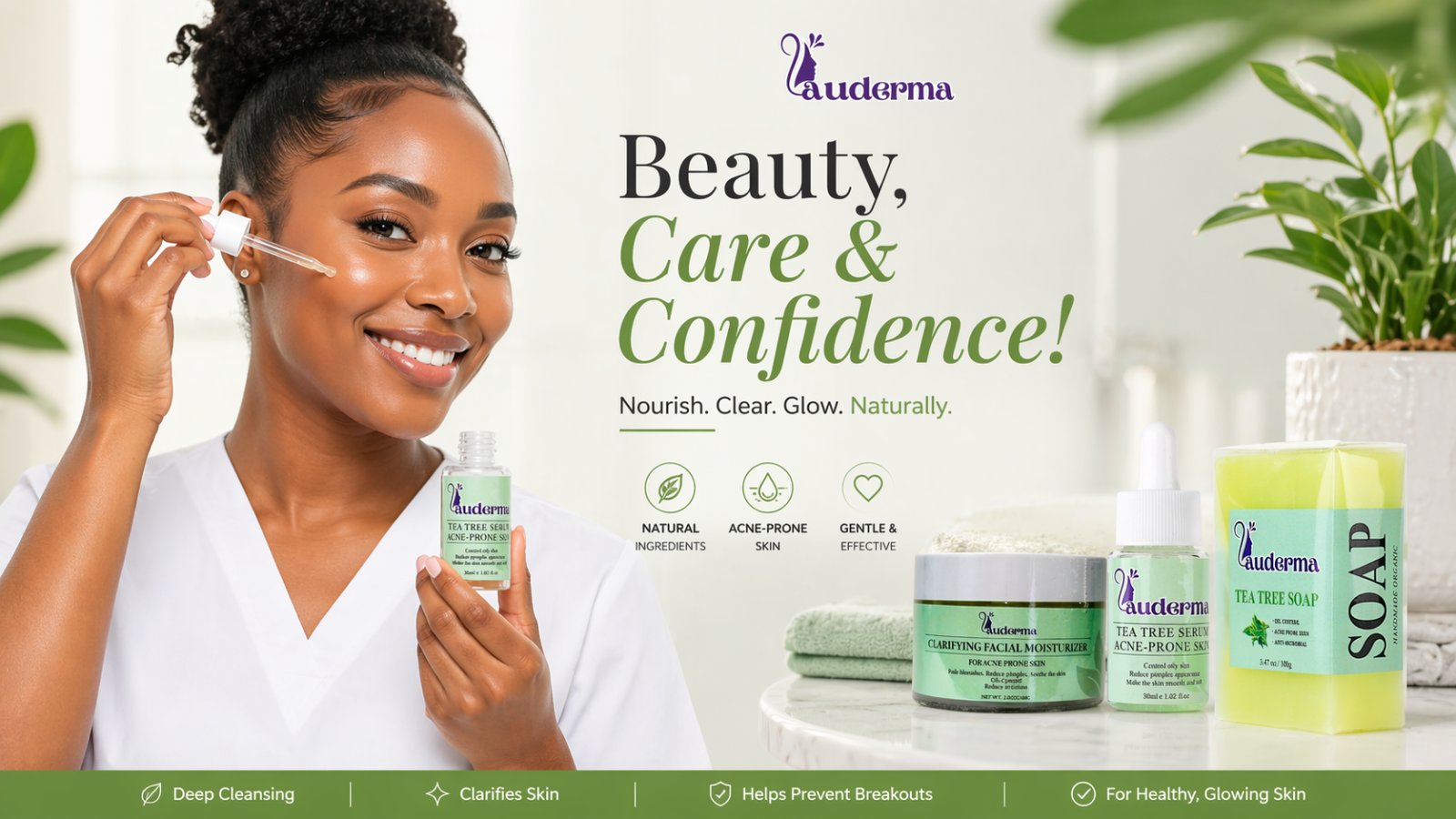
Building a hydrating skincare routine with botanical ingredients takes five steps, and order matters more than product count:
- Cleanse gently with a non-stripping formula, then leave skin slightly damp.
- Apply a humectant layer (aloe or glycerin-based) to damp skin.
- Press in a facial oil or serum while the humectant is still tacky.
- Seal with a cream or butter to slow water loss overnight or through the day.
- Repeat on the body with a richer butter, and use a multi-use oil on hair ends.
Our Hyaluronic Acid Face & Neck Moisturizing Cream fits step four for the face and neck, with a non-greasy formula suitable for all skin types, including sensitive skin.

Layering Order and Ingredient Compatibility
Layering follows one rule: thinnest to thickest, water-based humectants first, oils next, creams and butters last. Keep exfoliating acids (glycolic, lactic) in a separate evening step rather than mixing them with your botanicals, since low-pH products can destabilize oil-based formulas. Fragrance-free products also reduce the chance of a calming routine turning reactive.
| Step | Product Type | Applied To | Job |
|---|---|---|---|
| 1 | Gentle cleanser | Damp skin | Remove buildup without stripping |
| 2 | Humectant (aloe, glycerin) | Damp skin | Draw water in |
| 3 | Facial oil or serum | Tacky skin | Condition and soften |
| 4 | Cream or butter | Face, neck, body | Seal moisture in |
| 5 | Multi-use oil | Hair ends, dry patches | Add shine and softness |
Matching the Routine to Your Skin Type
The same five steps look different depending on your skin. Start here, then adjust based on how your skin responds over two to three weeks.
- Dry or dehydrated skin: Humectant on damp skin, a mid-weight facial oil (jojoba or squalane), then a cream with shea or ceramides. At night, a thin layer of a richer butter on the driest patches.
- Oily or acne-prone skin: Skip heavy butters on the face. Use a lightweight humectant, a high-linoleic oil (sunflower, safflower, grapeseed) or squalane, and a gel-cream. Keep body butters for the body.
- Sensitive or reactive skin: Fragrance-free throughout, aloe or glycerin as the humectant, and a short ingredient list. Introduce one new product at a time and patch-test first.
Two Complete Routine Examples
Morning (dry skin): Gentle cleanser → aloe or glycerin humectant on damp skin → 2-3 drops squalane or jojoba → Hyaluronic Acid Face & Neck Moisturizing Cream → sunscreen.
Evening (dry skin): Gentle cleanser → humectant → facial oil → cream → a thin layer of Shea Body Butter on any flaking patches.
Morning (oily or acne-prone): Gentle cleanser → lightweight humectant → 2 drops sunflower or squalane oil (optional) → gel-cream → sunscreen.
Common Layering Mistakes
- Oil before humectant. Oil is occlusive; applied first, it blocks the humectant from reaching skin. Humectant first, always.
- Mixing acids into oil-based layers. Low-pH acids can destabilize emulsified oil formulas and reduce their stability. Keep them in a separate step.
- Too many products at once. A five-step routine is a ceiling, not a floor. Two well-chosen steps beat five that fight each other.
Allergy, Irritation, and Patch-Testing Guidance
Patch-testing is non-negotiable with botanical skincare, because plant extracts contain more potential allergens than single-molecule synthetics. Essential oils are a frequent culprit behind contact irritation, even in products marketed as natural.
Test on the inner forearm for two to three days before applying anything new to your face. Stop immediately if you see redness, itching, or swelling, and choose fragrance-free options if your skin has reacted before.
Conclusion
The real challenge with botanical skincare isn't finding plant-derived ingredients. It's knowing which ones attract water, which seal it in, and which simply calm the skin while you fix the barrier underneath. Get that structure right and the routine stops being a gamble.
That's the standard we hold ourselves to at Lauderma: plant-based formulas with transparent ingredient lists, built for face, body, and hair. Our Hyaluronic Acid Face & Neck Moisturizing Cream, Shea Body Butter, and Moisturizing Hair, Face & Body Drops each occupy a clear step in a hydrating routine rather than duplicating one another.

Start with the step your routine is missing, patch-test it properly, and give your barrier a few weeks to respond. Ready to build the full sequence?
Frequently Asked Questions
Which botanical ingredients help hydrate dry skin?
Aloe vera, jojoba oil, squalane, shea butter, and hyaluronic acid from plant sources are among the most effective botanical ingredients for dry skin. Aloe vera acts as a lightweight humectant, while jojoba and squalane mimic the skin's natural oils to lock in moisture. Shea butter provides rich emollient conditioning for flaky or rough patches. For best results, layer a humectant like aloe under an emollient oil or butter so water is drawn in and then sealed. Look for fragrance-free formulas if your skin is reactive.
What is the difference between humectants, emollients, and occlusives?
Humectants like aloe vera and glycerin pull water into the skin. Emollients such as jojoba oil and squalane soften and smooth the skin surface by filling gaps between cells. Occlusives like shea butter and beeswax form a seal that prevents water loss. A hydrating routine typically uses all three: a humectant first on damp skin, an emollient to condition, and an occlusive to lock everything in. Skipping the occlusive step means moisture evaporates before it can benefit deeper layers, especially in dry climates or heated indoor air.
Are botanical ingredients suitable for sensitive skin?
Many botanical ingredients are gentle enough for sensitive skin, but not all plant extracts are equal. Fragrance-free formulas with aloe vera, colloidal oat, and squalane tend to be well tolerated. Avoid products with essential oils, citrus extracts, or added fragrance if your skin reacts easily. Always patch-test a new botanical product on your inner forearm for 24 to 48 hours before applying it to your face. If you have a known allergy to a specific plant family, check the ingredient list carefully and consult a dermatologist when unsure.
How should I layer botanical skincare products for hydration?
Apply products from thinnest to thickest consistency. Start with a gentle cleanser, then a hydrating toner or aloe-based mist while skin is still damp. Follow with a water-based serum or hyaluronic acid product, then a botanical face oil or moisturizer, and finish with a richer butter or balm at night if needed. Wait 30 to 60 seconds between layers so each product absorbs. In humid weather you may skip the occlusive step; in dry or cold conditions, seal with a body butter or facial oil to prevent water loss.